
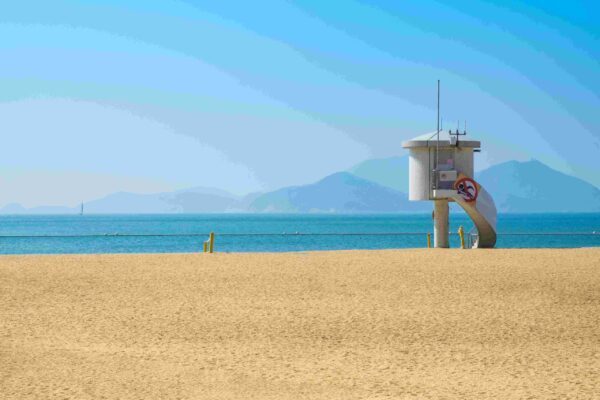
Haeundae Beach Busan is considered a symbol of the city’s marine life, attracting both locals and tourists. This sandy shore has become a space for cultural events, festivals, and relaxation by the water. Traditions and the modern rhythm intertwine here, creating an atmosphere that explains why it is included in the list of main Busan attractions.
Haeundae Beach Busan and its role in the city
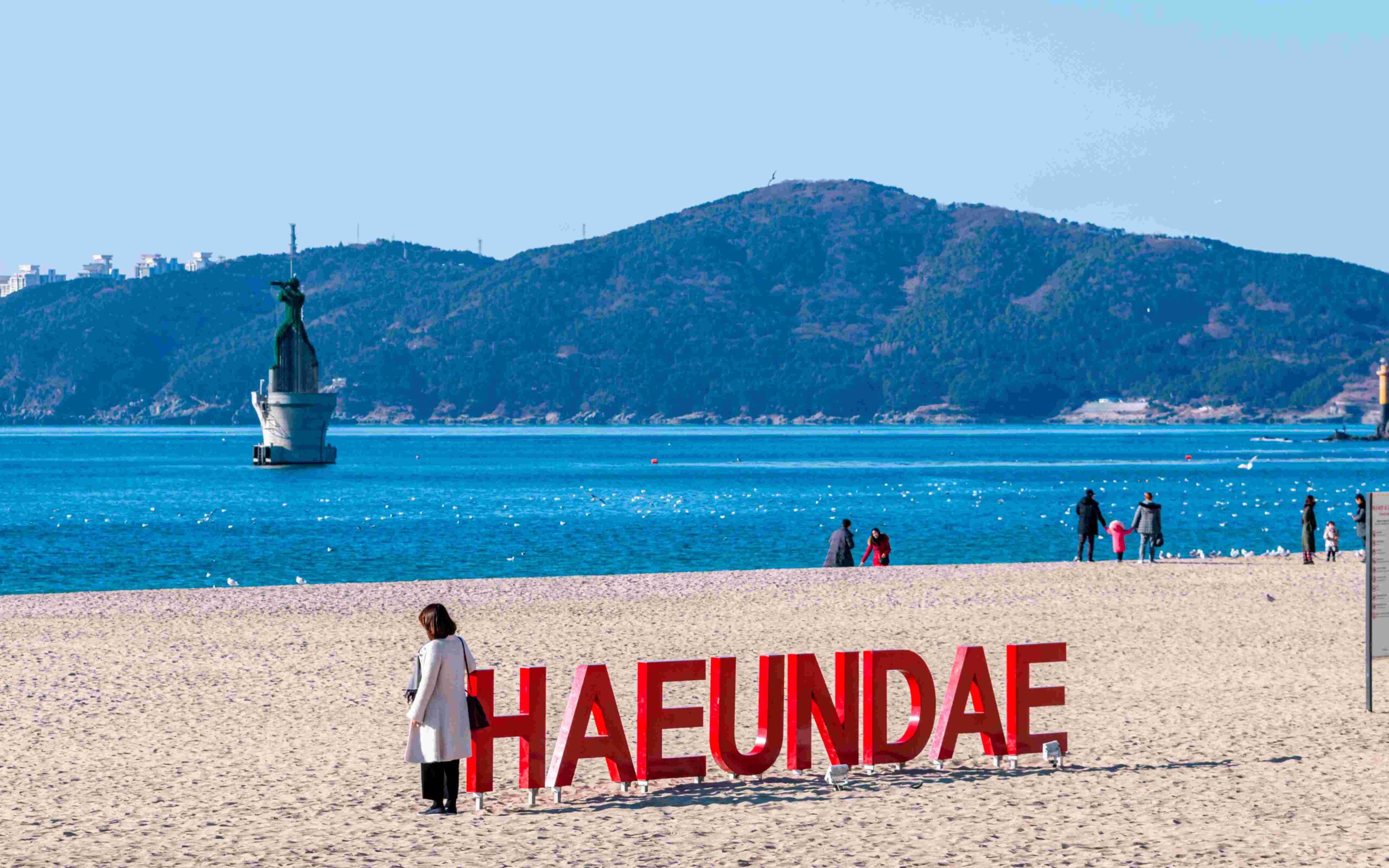
A wide strip of golden sand immediately catches the eye, but it is the combination of scale and accessibility that made Haeundae Beach Busan a symbolic point. This place is often mentioned in city guides as an important part of Busan attractions. Here residents gather, cultural events are organized, and on weekends the shore fills with colorful umbrellas.
The history of the district is connected with the formation of Busan’s tourist identity. The beach has become a kind of “business card” of the city, as well as an object of study for urbanists: it demonstrates how a natural space is transformed under the demands of culture and leisure.
Brief facts:
- Length of the shoreline: about 1.5 km
- Width of the sandy strip: up to 30–40 m
- Location: eastern part of the city, near hotels and cafes
Sometimes the morning hours seem almost intimate: rare joggers on wet sand, light sea mist. But by noon the space is filled with noise and color, and the contrast of these states – one of the secrets of its appeal.
The beach also plays a role in local economic activity. Restaurants, cafes, and seasonal stalls rely heavily on the influx of visitors during peak months, shaping a micro-economy that is inseparable from the shoreline itself. Hoteliers and shop owners often describe summer as both challenging and rewarding, when thousands of guests must be accommodated without losing the relaxed rhythm that gives the district its charm.
Atmosphere and landscapes on the coast
During the day the sand heats up so much that walking barefoot is difficult, and this sensation changes the perception of rest. In the evening it keeps coolness, and the lights of skyscrapers reflect in the water, creating a pattern as if the city and the sea are having a dialogue.
The beach is known not only for its size but also for the combination of nature and architecture. From the shore there is a view of the lines of modern buildings, and from the sea – a picture of a densely populated district where every street stretches toward the water.
Visual details:
- Summer evenings: glowing lights of boats on the horizon
- After rain: rare traces remain on the sand longer than usual
- In autumn: calmer wind and deserted rows of umbrellas
Sometimes it seems like two different worlds – the daytime crowd of people and the evening space where only fishermen and photographers remain. This shift of rhythm makes the beach part of city life, but with a touch of unpredictability.
Another layer of atmosphere appears through sound. The steady rhythm of waves blends with early-morning vendor calls, marking the start of routine operations along the shore. In Busan’s Haeundae district this sequence unfolds daily, from sunrise to late afternoon, when music, laughter, and announcements turn into a patterned soundscape. Festivals and cultural events at Haeundae Beach
Haeundae Beach is a venue for numerous cultural events. The most notable of them fall in summer, when the climate allows performances outdoors.
Key events:
- Sand Sculpture Festival (May–June)
- International Fireworks Festival (autumn)
- Music concerts on the open stage (summer)
A night fireworks show makes a special impression. Before the first burst the crowd falls silent, for a second only the surf is heard, and this short anticipation intensifies the effect. Such moments turn the beach from an ordinary leisure place into a cultural arena.
What is often overlooked is the preparation work for these festivals. Local authorities and volunteers cooperate to ensure safety, accessibility, and environmental care. Cleaning campaigns are launched before and after major events, showing how cultural activities are balanced with ecological awareness. This coordination is one of the reasons Haeundae Beach Busan continues to host international gatherings without losing its natural charm.
Popular activities for tourists
In addition to observing festivals, Haeundae Beach offers a range of activities that shape the image of Busan tourism. Tourists find here both simple joys – walks along the sand, swimming in summer – and more active entertainment.
List of popular activities:
- Swimming and relaxation by the water (June–August)
- Evening walks along the promenade
- Photoshoots against the city skyline
- Water sports in season (kayaks, SUP boards)
On weekdays a different mood can be noticed: local residents use the space for jogging or practicing yoga. The tourist flow decreases, and then details usually hidden become visible – for example, how fishermen quietly unfold nets at dawn.
The final impression is formed from small things: the smell of salty water, the contrast of a hot day and a cool evening, rare pauses between events. This combination explains why Haeundae Beach maintains the status of an important landmark within Busan attractions.
Comments are closed