
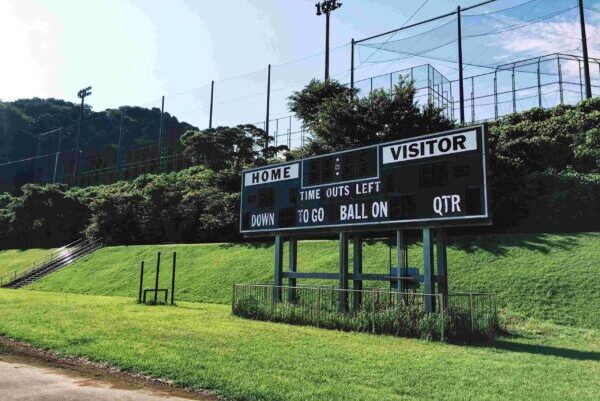
The material is a Busan travel guide focused on visiting Busan Sajik Baseball Stadium (사직야구장) and the spectator’s experience during a baseball game in Busan. It describes routes to the stadium, entry and seating, and features of fan culture and atmosphere. Attention is given to snacks, songs, and details that shape the dynamics of the match. A game at Sajik Stadium is one of the key Busan attractions, woven into the city’s rhythm.
Busan travel guide notes: access, seating, timing at Sajik Baseball Stadium
Start with the map, then correct it. Busan Sajik Baseball Stadium (사직야구장) sits inside a larger sports park, so approaches split between subway exits, local buses, and taxi drop-offs; the final meters are on foot past vendors and drumlines that rehearse the evening’s pace. Gates open well before first pitch, and queues surge in brief waves, not a single tide. Ticket checks are efficient, though chokepoints reappear near popular blocks just before lineups are announced. Seating divides into infield and outfield with clearly posted cheering zones. If the aim is to read pitch movement and field alignment, higher rows toward the infield corners reward patience; if the aim is to join coordinated song, the outfield terraces closest to the percussion stage shape the night differently. Families often settle on aisles for quick snack runs, while regulars cluster in sections that align with megaphone cues.
Atmosphere and fan culture inside Sajik Stadium
The first thing is not the field but the call and response from the stands. Cap choreography begins before starters are named, and percussion leaders rotate through cues held aloft on small placards; a section rises as one, then deliberately breaks cadence to regroup. A row of teens trades thunderstick patterns, stops for a solo chant, then resumes as if the pause were written into the score. An older couple mouths a verse without looking up, steady and precise. Between innings the house sound narrows so slogans carry cleanly; then volume returns and you feel the terrace shift under your shoes. Visiting supporters usually gather in a compact block, visible but measured, and ushers tend to the edges so lanes stay open. The effect is less spectacle than choreography that resets every half inning. It reads as culture rather than noise, even when the tempo quickens. The small gestures matter: folded banners stashed under seats, a spare pair of sticks passed to a newcomer, the way a whole block waits one beat longer than expected, on purpose.
Snacks, songs, and game day routines
Food follows the grid of the concourse. Grills work behind sliding screens; the scent moves with crosswinds, and paper cups rise in rows, vanish, then reappear as if timed to the scoreboard clock. Popular orders lean simple: kimbap, fried chicken, skewers, tteok with a chili gloss; nothing fussy, because the chorus will not pause for delicate packaging. Some bring picnic boxes wrapped in cloth, unfolding them into neat arrays during a long at-bat, then closing them in a single practiced motion when the section stands. Reusable bottles and small trash bags appear more often than expected, a mundane logistics habit that keeps aisles clear. Songs anchor pacing more than the count does. Each batter’s chant reads like a headline that the crowd edits in real time; trumpets repeat a rising phrase that steadies the concourse queue, oddly enough.
What to expect at Sajik Stadium
- Approach and entry – walk the last stretch past snack carts and portable drums; arrivals peak twenty minutes before first pitch.
- Seating logic – infield for a clearer view of pitch movement, outfield for organized song; higher rows reduce banner obstructions.
- Cheering zones – follow the lead of the percussion section; call and response cues appear on boards or from the stage near the outfield.
- Food rhythm – queues move in bursts; breaks arrive between innings, not at the midpoint.
- Weather prep – ponchos and small towels handle mist; aisles can slick near the entrances after showers.
- Transit planning – subway for the approach, bus or taxi on exit if crowds bunch; walking to a farther station can be faster.
- Photo etiquette – short clips are fine when the section sings; avoid blocking view lines during active play.
- After the final – songs often continue while rows empty; meet points work best outside the main gates, not under the scoreboard.
Use this as a compact frame for a Baseball game in Busan at Sajik Baseball Stadium. The venue carries tradition without ceremony, and a night here fits cleanly inside a wider plan for Busan tourism, one of those things to do in Busan that clarifies how the city moves. Among Busan attractions it reads as both routine and signal; the cadence keeps working after the lights dim, almost like a note held a little longer than necessary.
Comments are closed